Evidence-based insights into healthy aging through informed dietary choices
As men enter their forties and beyond, the relationship between nutrition and overall vitality becomes increasingly significant. This transition period presents an opportunity to reconsider dietary habits and embrace strategies that support sustained energy, mental clarity, and physical resilience.
Research consistently demonstrates that the choices made regarding food consumption during this phase of life can profoundly influence how individuals experience aging. The human body undergoes various metabolic and physiological changes, making a thoughtful approach to nutrition more relevant than ever.
Rather than viewing this as a period of decline, it can be understood as an invitation to deepen knowledge about how specific nutrients, food combinations, and eating patterns contribute to maintaining vitality and supporting healthy aging processes.
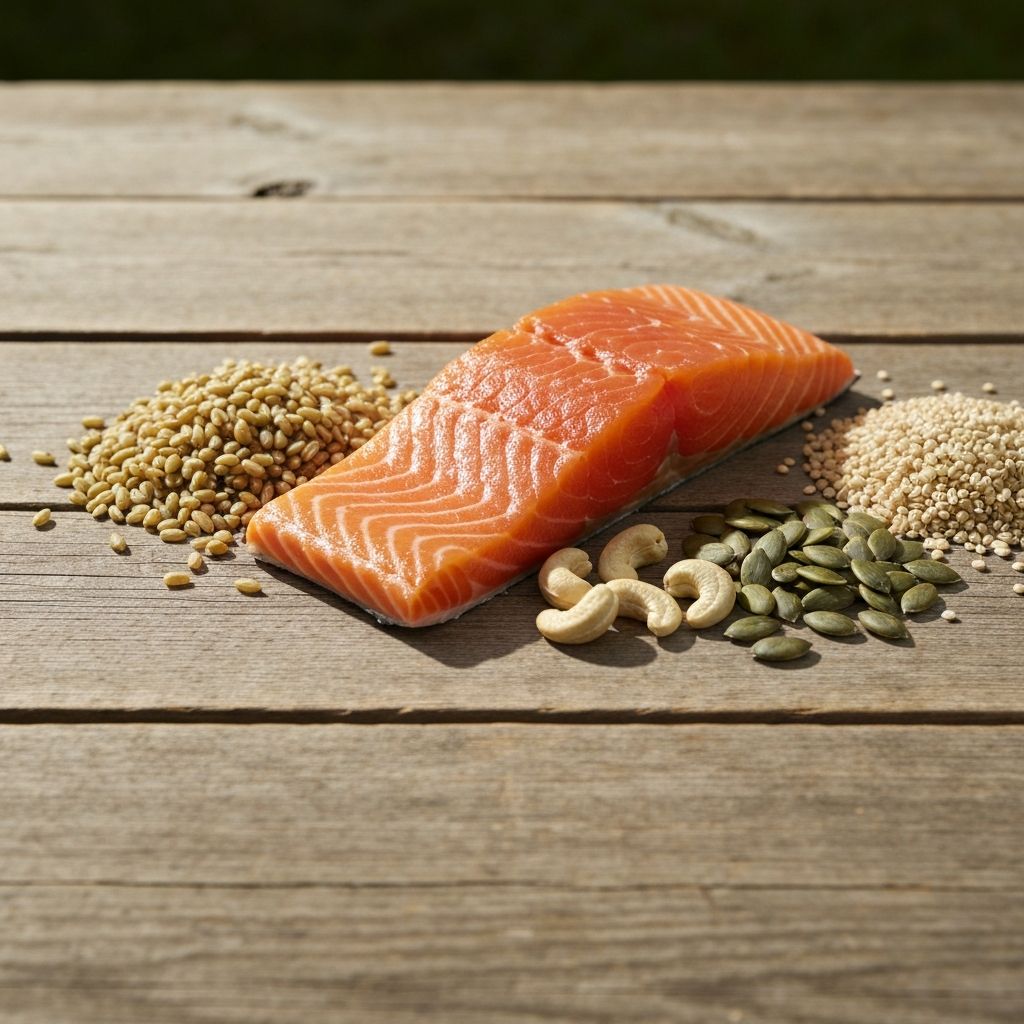
Prioritizing unprocessed foods—fresh vegetables, whole grains, legumes, nuts, and lean proteins—provides the comprehensive nutrient profile the body requires for optimal function.
Vitamins, minerals, and phytonutrients play critical roles in energy production, immune function, and cellular health. Colorful vegetables and diverse food sources ensure adequate intake.
Proper fluid intake supports metabolic processes, nutrient transport, and cognitive function. Balanced electrolytes are equally important for cellular health and overall well-being.

Adequate protein intake becomes increasingly important after 40, as it supports muscle integrity and recovery. Sources include fish, poultry, legumes, nuts, and dairy products.
Omega-3 and omega-6 fatty acids contribute to cardiovascular function, brain health, and cellular signaling. Found in fish, seeds, nuts, and plant oils.
Whole grains, legumes, and vegetables provide sustained energy and important fiber for digestive health and nutrient absorption.
Certain vitamins and minerals warrant particular attention during this life stage:
Support bone density and overall skeletal integrity. Found in fatty fish, dairy products, and sun exposure stimulates endogenous production.
Essential for energy metabolism and nervous system function. Rich sources include whole grains, leafy greens, eggs, and legumes.
Support immune function and enzymatic processes. Found in nuts, seeds, legumes, whole grains, and seafood.
Combat oxidative stress through vitamins C and E, and phytonutrients. Berries, leafy greens, and colorful vegetables are excellent sources.
Maintains oxygen transport and cognitive function. Found in red meat, poultry, legumes, and fortified grains.
Supports cardiovascular function and cellular balance. Abundant in bananas, potatoes, spinach, and legumes.
The distribution of meals throughout the day can influence energy levels, metabolism, and digestive comfort. Rather than following rigid patterns, the emphasis should be on finding a rhythm that supports consistent energy and satiation.

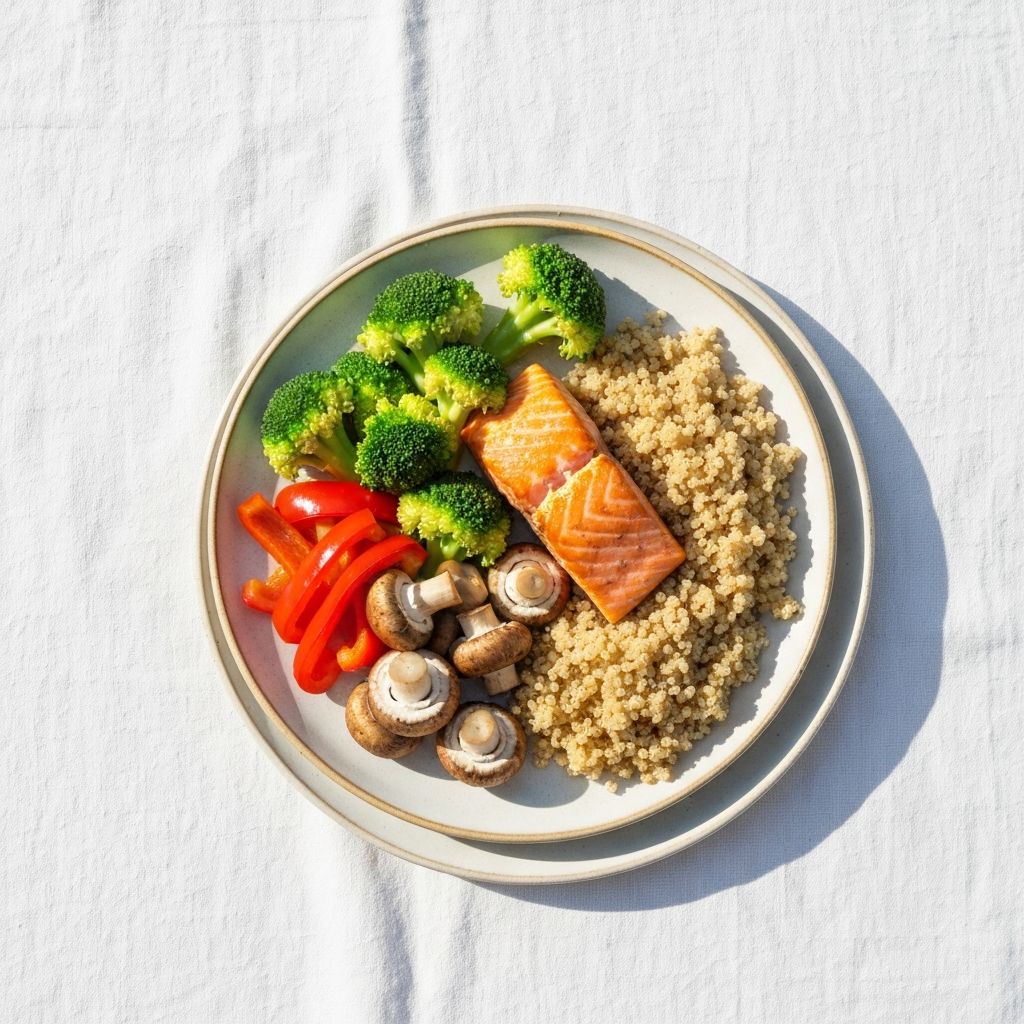
A practical framework for meal composition supports diverse nutritional intake and steady energy throughout the day.
This flexible framework can be adapted based on individual preferences, cultural backgrounds, and activity levels.
Oxidative stress occurs as a natural byproduct of metabolism. Antioxidant-rich foods help neutralize reactive molecules, supporting cellular function and longevity.

Nutritional choices significantly influence the cardiovascular and nervous systems. Specific dietary patterns support optimal function of these critical systems.
Diets rich in unsaturated fats, fiber, and antioxidants support healthy circulation and cardiovascular function. Omega-3 fatty acids from fish, flaxseeds, and walnuts are particularly relevant.
Reducing sodium intake and avoiding highly processed foods contributes to blood pressure management. Regular consumption of vegetables and whole grains provides cardiovascular benefits.
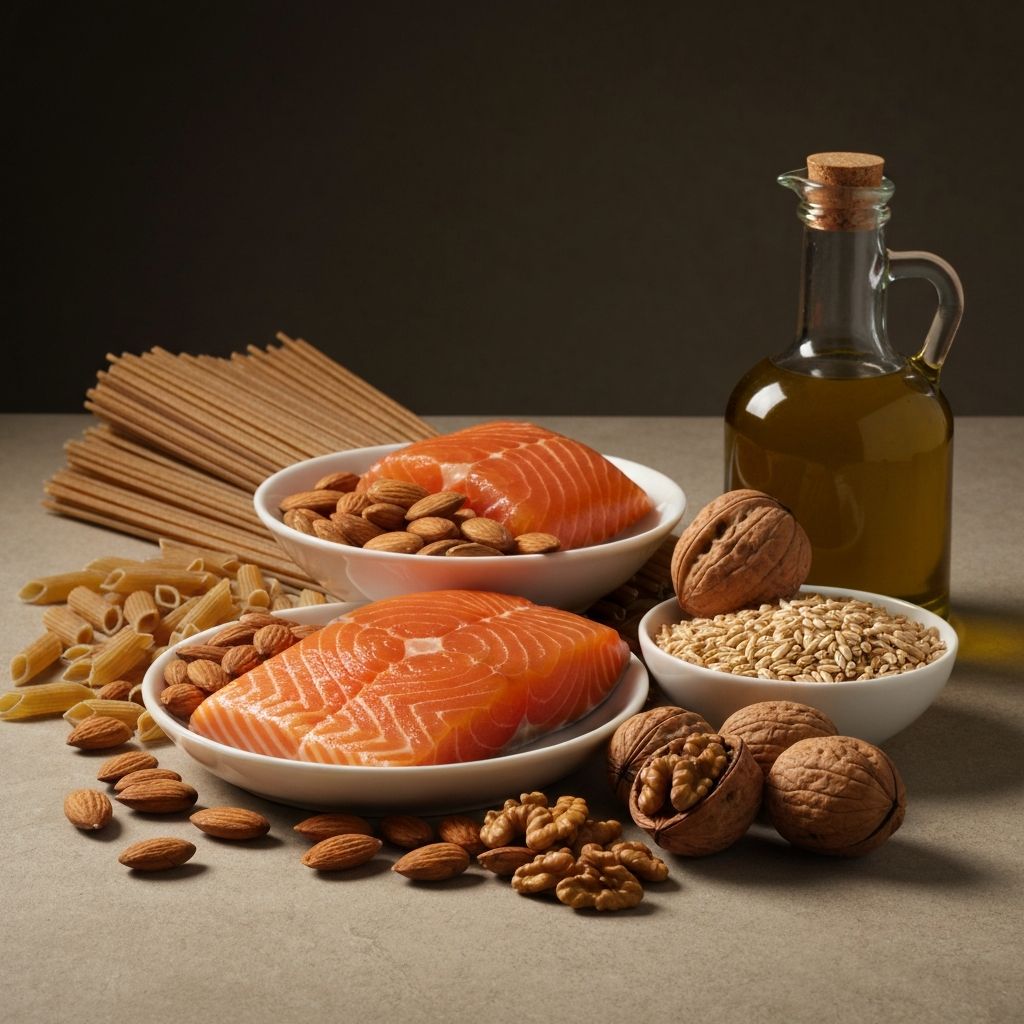

The brain requires consistent nutrient supply for optimal function. B vitamins, antioxidants, and omega-3 fatty acids support cognitive processes and neural integrity.
Foods like fatty fish, leafy greens, berries, nuts, and legumes contain compounds that support brain health. Adequate hydration is equally important for cognitive function.
Digestive function often changes with age, making fiber intake and digestive support increasingly important. Adequate fiber promotes regular digestive function and supports healthy gut bacteria populations.
Gradually increasing fiber intake with adequate hydration supports optimal digestion.
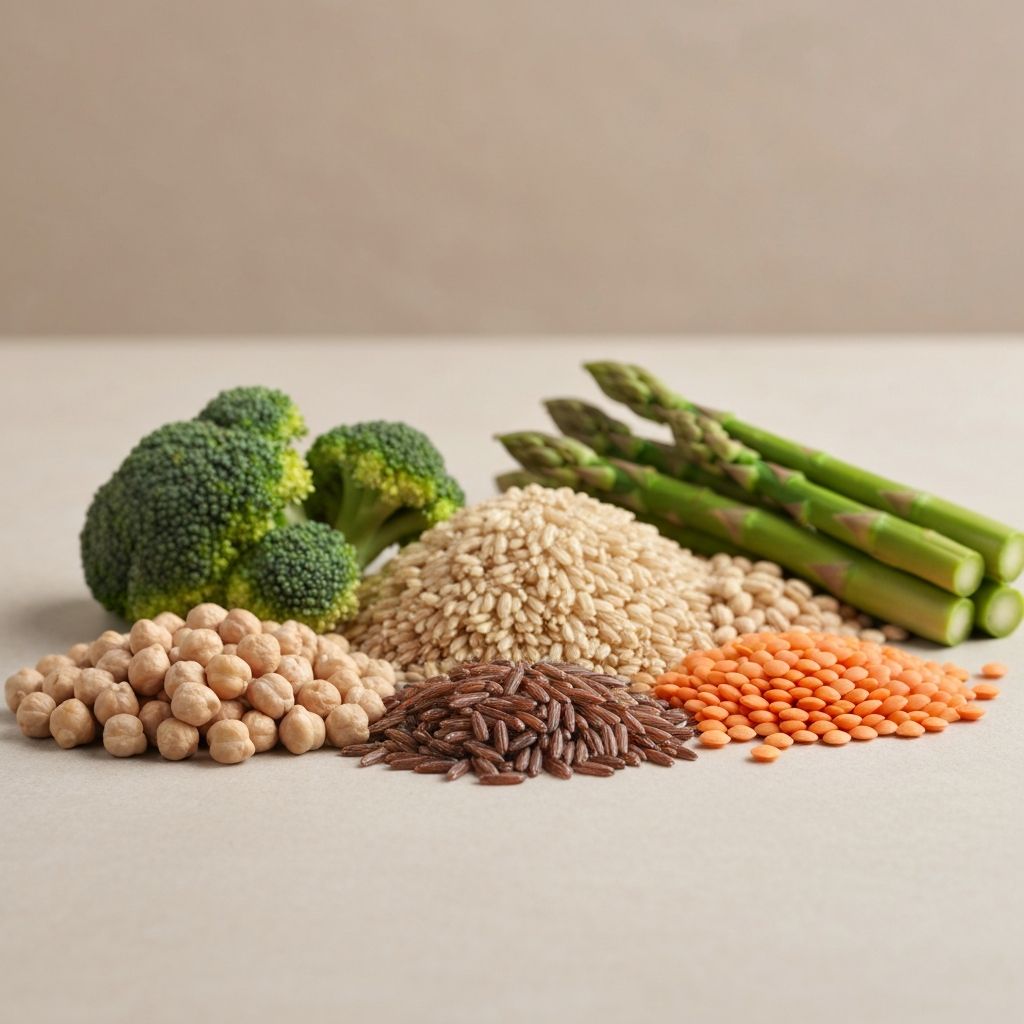

Regular physical activity and appropriate nutrition work synergistically to support vitality and resilience. Proper nutrition supports muscle recovery, energy production, and adaptation to physical activity.
Energy production depends on consistent nutrient supply and appropriate meal composition. Understanding how different foods affect energy levels supports sustainable dietary habits.

Transitioning to a nutrition-focused approach involves practical, incremental steps rather than dramatic dietary changes.
Begin by observing current dietary patterns without judgment. Notice which foods correlate with energy levels, digestion comfort, and overall well-being.
Introduce new whole foods incrementally. Add vegetables to familiar meals, experiment with different proteins, and discover whole grains that resonate with personal preferences.
Sustainable change develops through consistent practice. Small daily adjustments accumulate into meaningful lifestyle evolution over time.

The information presented on this resource draws from peer-reviewed nutritional science, gerontological research, and clinical observations regarding optimal nutrition during midlife and beyond.
Nutritional research consistently demonstrates correlations between specific dietary patterns and markers of health, resilience, and vitality throughout the aging process. This foundation supports the recommendations and frameworks presented here.
It is important to recognize that nutritional science continues to evolve, and individual responses to dietary interventions vary based on genetics, lifestyle, health status, and personal circumstances.
The period after 40 represents an opportunity to harness nutritional knowledge in support of sustained vitality and well-being. The human body possesses remarkable capacity for adaptation and optimization when provided with consistent, comprehensive nutritional support.
Rather than viewing aging as an inevitable decline, informed dietary choices offer a pathway toward experiencing this phase of life with energy, clarity, and resilience. The strategies outlined here provide a foundation for exploring how nutrition can support individual well-being goals.
Sustainable health emerges not from perfection or rigid adherence to dietary dogma, but from consistent, compassionate engagement with the relationship between food and vitality.
This content is for informational purposes only and does not constitute medical advice. It does not replace individual professional consultations. Dietary needs and approaches vary widely among individuals. Users should make personal decisions in consultation with qualified healthcare professionals.

Educational content only. No promises of outcomes.